The Ultimate Creature Care Guide
Welcome! This guide is designed to help educate people on proper animal husbandry, especially for those who are just getting into the hobby. I always recommend doing additional research on your own time, but this is a FULL (and very detailed) guide of everything you'll need to know to ensure your pet thrives in their new home. This guide includes info about your animal as well, such as diet, activity level, and behaviors, along with their environmental requirements and tips on taming/building a bond.
If you want to know more on why you should trust and follow this guide, please click here to learn more about me! Otherwise, please continue below and select the animal you want to learn about :)


More Animals Coming Soon!
Requests? Email me at [email protected]
About Me:
Hello! I was diagnosed with autism and one of the traits I have from it is having a special interest. If you don't know what that is, I will gladly explain!
Basically, a special interest is an INTENSE passion for a topic, mine being animals/animal husbandry. This kind of passion exceeds your normal interest in topics since it plays a huge part in my day to day life and it's how I regulate myself. Because of this, it has lead me to become an expert in this field.
I have spent countless hours doing intense research on each one of the animals in this guide, and still continue in my free time. This guide gives you everything you need and helps me organize all of my knowledge! It's a win-win situation.
In conclusion, my goal is to try to teach as many people as possible about animals and what they really need. This guide is going to be detailed and long, but it's better to read this on your own time rather than hearing me info-dump for hours.. I have done that.
Hamsters

About:

Breed: Syrian
Lifespan: 1-3 yrs.
Diet: Omnivorous
Size: 6-8 in.
Activity: Nocturnal
Social: Solitary
Breed: Dwarf
Lifespan: 1-3 yrs.
Diet: Omnivorous
Size: 2-4 in.
Activity: Nocturnal
Social: Solitary

Both syrian and dwarf hamsters are very similar when it comes to their care, but it's important to cater to their specific needs due to their size. This section will tell you the minimum requirements for their care, product/resource recommendations, tips and tricks for taming, and more fun facts!REMEMBER!! Hamsters are solitary so it's very important you do NOT house them with any other hamsters! They WILL fight and possibly kill eachother!!
Enclosures:
Mainstream media tends to portray these creatures as easy, compact pets that you can keep in a tiny, toy-looking cage. Unfortunately, this is anything but the case. Hamsters require a minimum of 40x20 inches (or 100x50cm) of floor space. This does not include any platforms for climbing since hamsters need more space to run rather than climb as they aren't great climbers. Bigger is ALWAYS better for your hamster (especially females as they are known for being difficult to please). The enclosures below are my top choices! This will include links and prices as well for your convenience
(I do not recieve anything from these links)
★ Bucatstate 3.0 ($200-280) ★
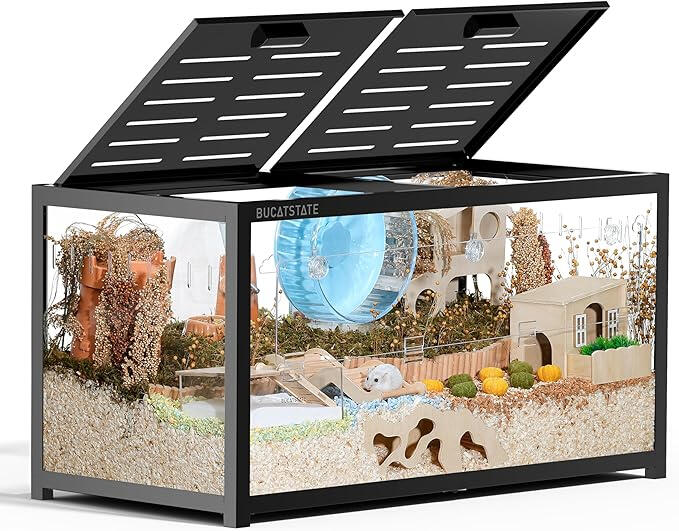
This is my top recommendation as both sizes meet the requirements! This enclosure is very easy to build and clean. It has 3 openings and is stackable if you plan on owning several hamsters (though you do need to buy those parts separately)
Prolee Hamster Cage ($165-173)
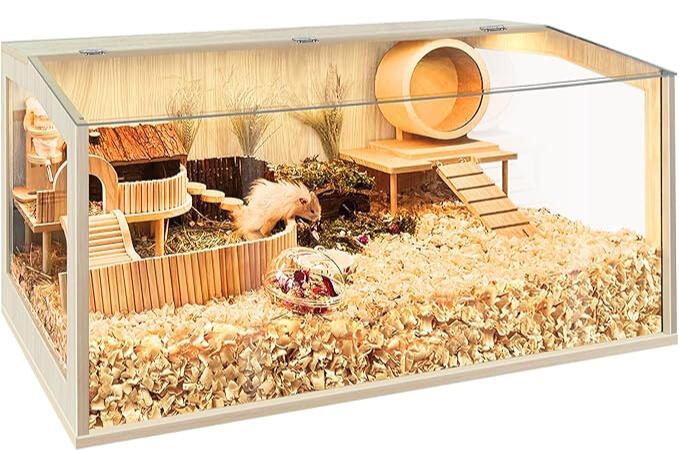
This is another one of my top recommendations as the two biggest sizes (40x20 and 48x20) meet the requirements and it's nice to look at. I personally have never tried this one like the bucatstate but I have heard many great things about it!
Niteangel Bigger World ($250)
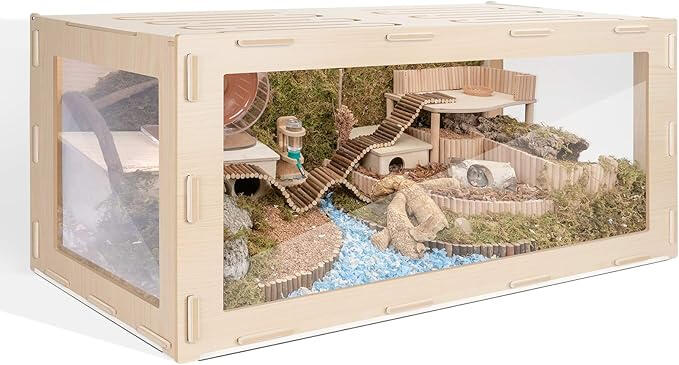
Last but not least, Niteangel is one of my favorite brands to shop from, so I expect this to meet my expectations of a good hamster enclosure. I also have not tried this one, but I have heard great things from other hamster owners! The one linked is the proper size, please do not purchase the smaller version of this!!!
Other Options
If you want more affordable options (or if you don't like these) you can purchase a 75 gallon aquarium tank from almost any pet store, use a 200qt storage bin (with a mesh lid of course), or you can DIY one using IKEA Linnmon tabletops!


!! Enclosures to Avoid !!
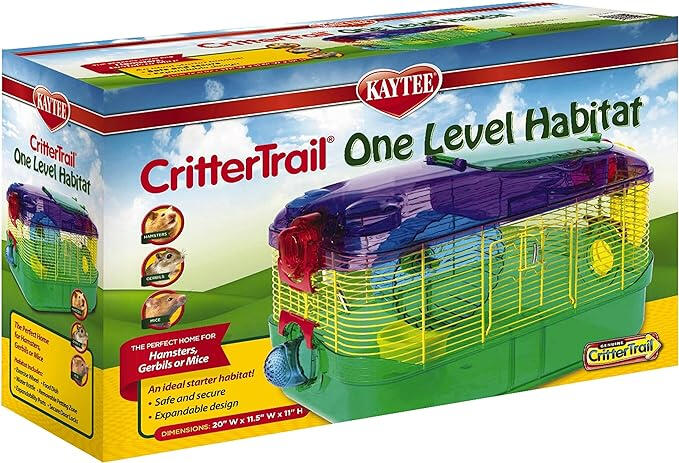
Anything from pet stores is unsafe for hamsters since majority of them don't meet the requirements and act more as a jail cell than an enclosure. A hamster's enclosure is their whole world, so it's important to give them the space they need.
Bedding
Hamsters need a minimum of 8in deep bedding to burrow. This is very important for their enrichment, helps keep them warm, and it helps with stress. You may think "Won't this be a pain and expensive to clean?" but the answer is NO! You are not supposed to clean out a hamsters cage entirely.. almost ever. Exceptions include illness or mite infestations, of course. Essentially, you want to only remove the soiled bedding and replace that bit with clean bedding at least once a week. Unfortunately, you're going to have to destroy any stinky burrows, but it's important to clean those out as the ammonia build up is unhealthy for your hamster.
Bedding Options:
It's important to make sure the bedding you use is safe since not all of them are. Bedding to aim for should be unscented, undyed and as dust free as possible. The best bedding options are paper based and aspen shavings as both hold burrows well. Need help deciding which kind to buy? I'll give the pros and cons of both along with my favs.
(Again, I do not get any sort of commission out of this)
Paper Based Bedding:
Pros:
- Soft to burrow in
- Great nesting material
Cons
- Can be very dusty
- Doesn't control ammonia as well
My Recommendations:
Aspen Shavings:
Pros:
- Not as dusty as paper
- Great ammonia control
Cons
- Might not be comfortable depending on shaving size
My Recommendations:
You could also combine the two so you get best of both worlds, it's up to you :)
Guinea Pigs

About:
Bunnies

About:
Ferrets

About:
Parakeets
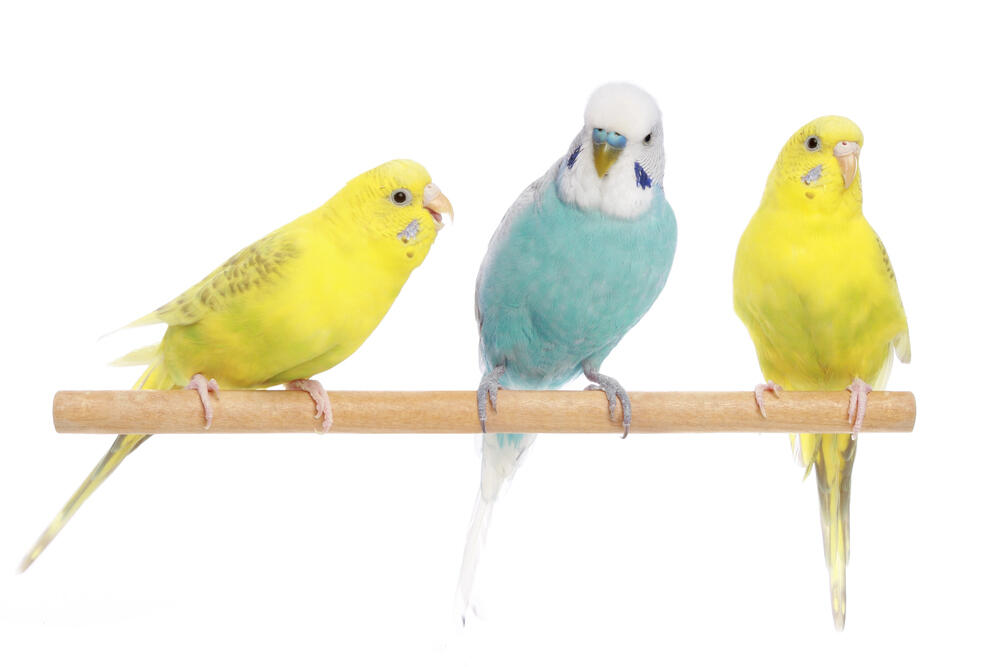
About:
Rats

About:
Mice